One
Run a big legal office
This is the largest law firm on Guam. Hiring, supervising, keeping people — nobody learns that after being sworn in.
Why Peter
Talking about fixing this office is easy. Walking in on day one and running it is not.
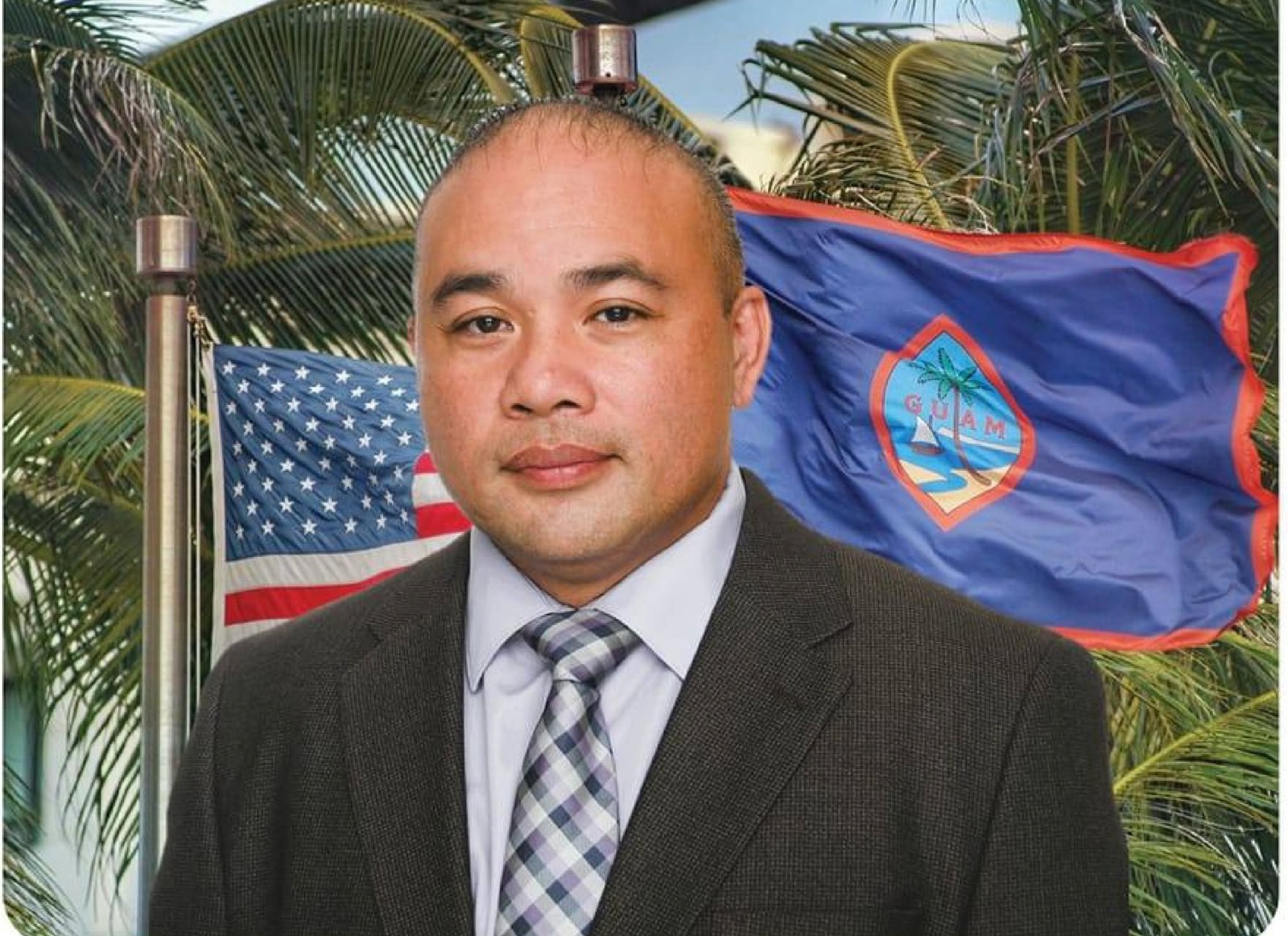
Police officer. Army lawyer. Prosecutor in this office. Public defender. Thirty-three years.
33
years of public service
8
years a Guam police officer
4
combat tours as an Army lawyer
Bronze Star
as a military prosecutor
One
This is the largest law firm on Guam. Hiring, supervising, keeping people — nobody learns that after being sworn in.
Two
Corruption and violent crime are won by people who have stood in front of a jury — not read about it.
Three
An office that depends on one good person is one election from failing again.
Guam's last two Attorneys General came from working alone and had done none of the three at this scale. Peter has done all three — before asking for the job.
Seven things this office requires. Measure every candidate against the same seven. Tap for the detail.
Chief of Administrative Law in the U.S. Army JAG Corps — he supervised attorneys, paralegals and support staff, and built programs to make a large legal office work better.
Prosecutor for the Office of the Attorney General of Guam, and a military prosecutor across four combat tours — awarded the Bronze Star Medal for that work.
He was a prosecutor there under Attorney General Elizabeth Barrett-Anderson. He knows the divisions, the caseloads and the people — not just an org chart.
About eight years as a Guam Police Department officer. The evidence problems that sink a prosecution start on the street, long before a prosecutor opens the file.
He is an Attorney Level IV at the Office of the Alternate Public Defender today — spending his days on the receiving end of the office he wants to lead.
Preventative law, published in eight parts, with a source behind every problem it names.
A native of Agat and a common citizen, with no family business interests holding matters before the office.
Draft — awaiting confirmed details from the campaign
Anyone can claim competence. The difference is naming what you actually did. These three slots are reserved for specifics Peter is confirming.
Slot 01 · A case he carried
One case, the charge, and the outcome — a result a voter can look up.
Slot 02 · Something he fixed
A program he built, with the problem before and the result after.
Slot 03 · A number
Cases tried, attorneys supervised, or people recruited — one figure showing the scale.
About eight years as an officer serving Guam villages, before law school. He knows how a case begins — at three in the morning, on a village road, long before anyone files anything.
Earned his law degree, then came home to serve. Admitted to the Guam Bar on October 14, 2015; also licensed in Washington State.
An active-duty Army lawyer across four combat tours — prosecutor, defense counsel and military magistrate — awarded the Bronze Star Medal for his work as a prosecutor. As Chief of Administrative Law he supervised attorneys and staff, and built programs to make the office run better.
Prosecutor under Attorney General Elizabeth Barrett-Anderson — direct experience inside the office he now seeks to lead, including how its divisions really work day to day.
Attorney Level IV, representing people who cannot afford a lawyer. It is the clearest view there is of where Guam's justice system fails ordinary people — and what that costs them. He was also an adjunct legal instructor, training Guam's next generation of legal workers.

Four combat tours as a military lawyer. He prosecuted, he defended, and he sat as a magistrate — the same three chairs he has since filled on Guam.
Not from a headquarters. In villages and at checkpoints, next to the local police whose cases he had to understand first. That is where preventative law comes from: fix the system where it meets people.
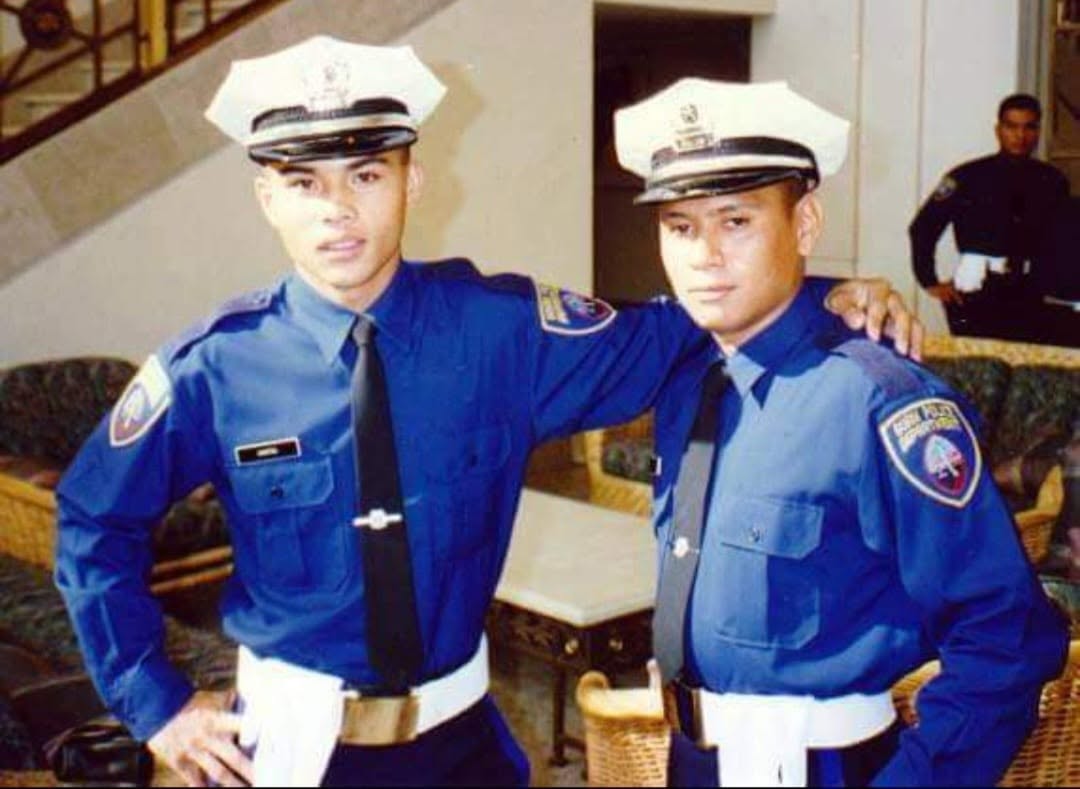
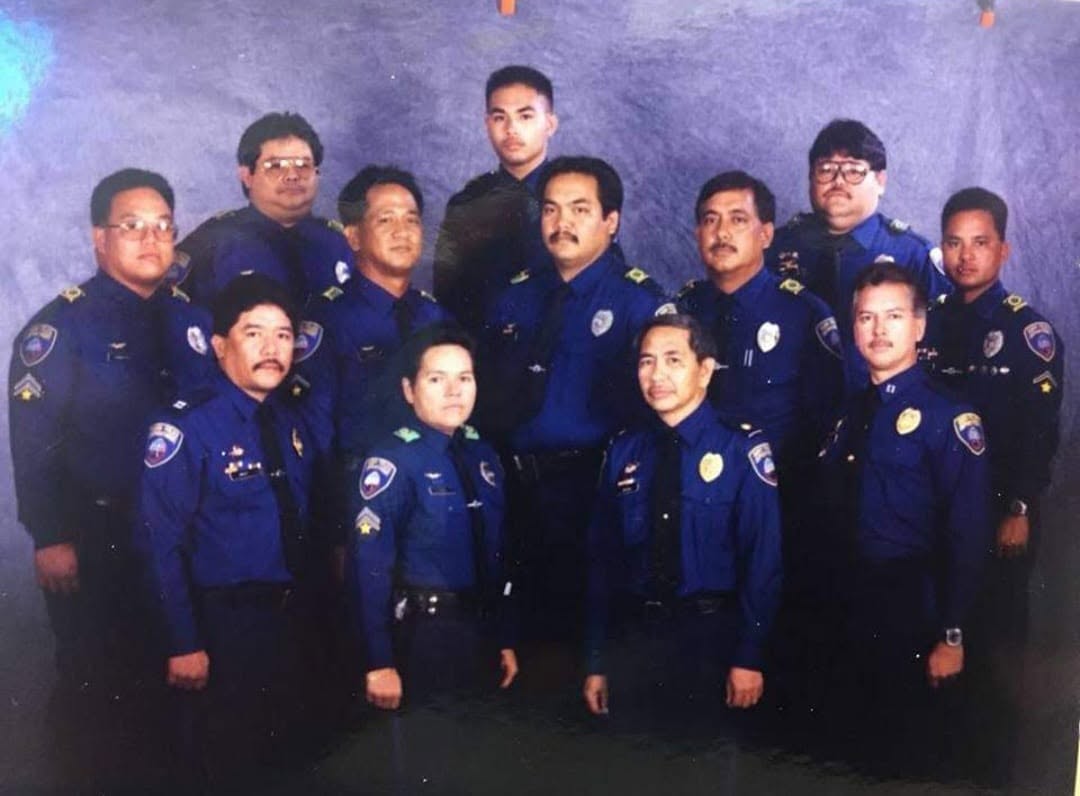
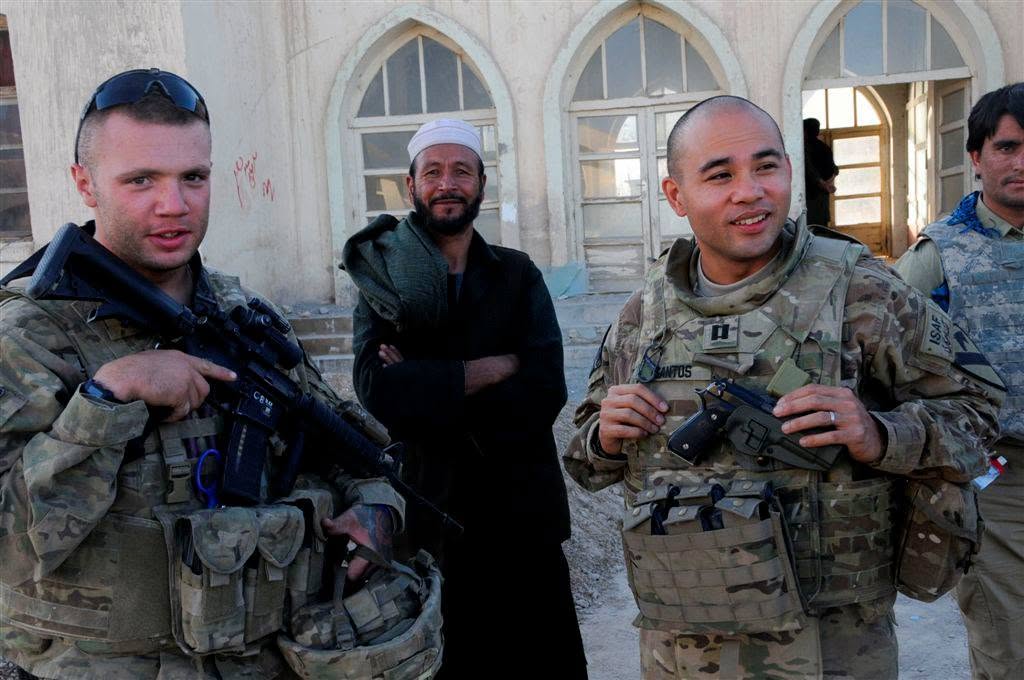
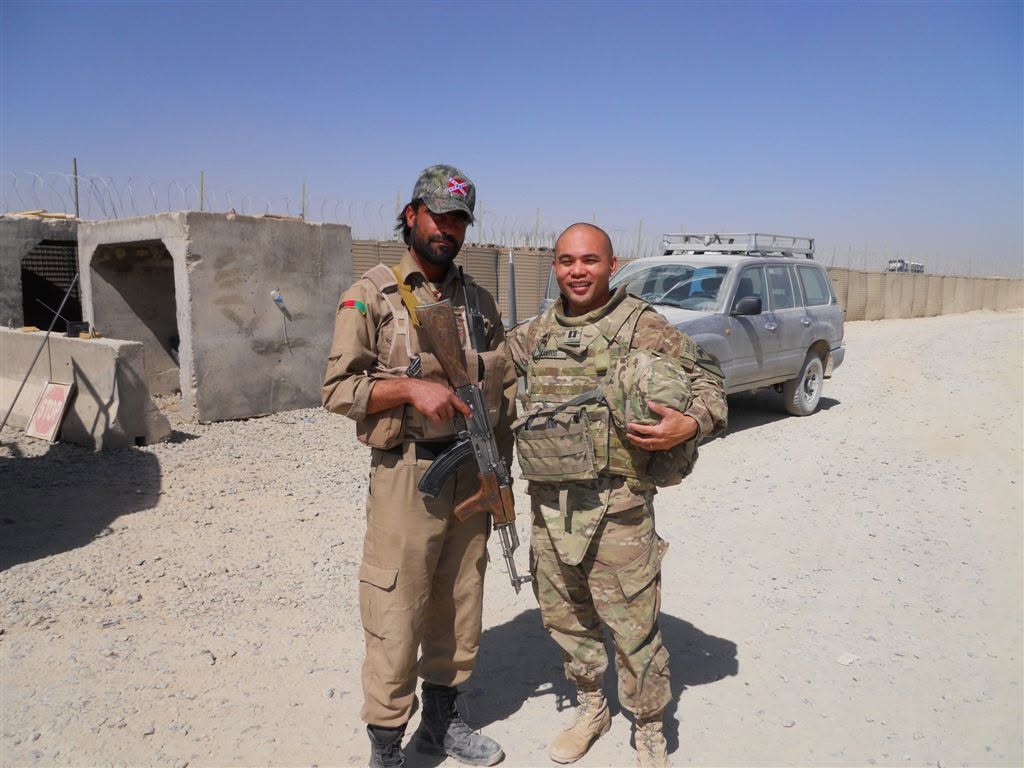
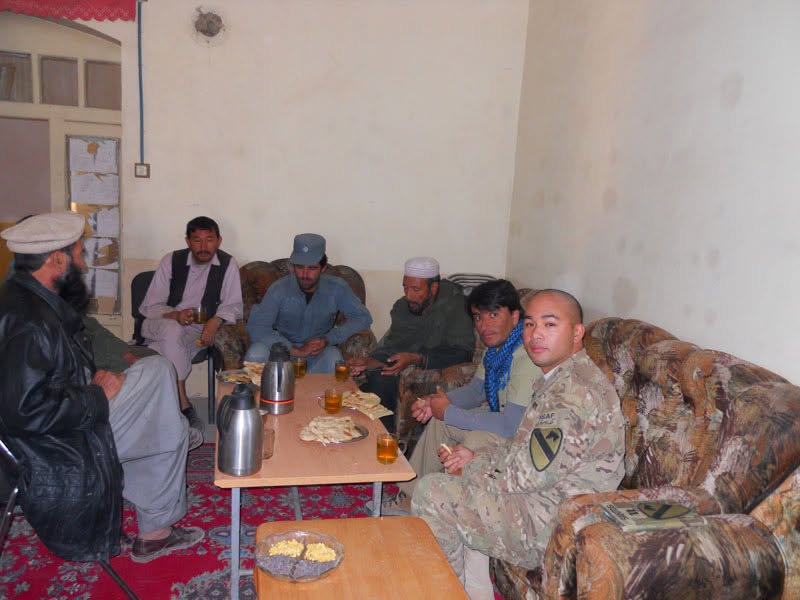
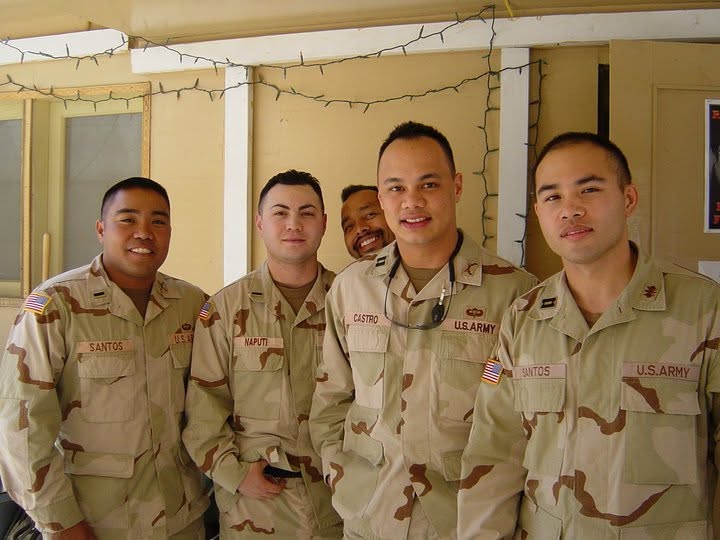
Running an office of a hundred people is a different skill from running a law practice — and not one you pick up after taking office. The Army trained Peter in it, and he has practiced it since.
One example: when a young police officer testified well in his courtroom, Peter wrote to the Chief of Police and asked that the letter go in the officer's file, so a promotion board would see it. Nobody made him do that.
"You don't work for me. I work for you. And we work for the people."
He is candid about the campaign, too: he is not a politician and does not much like politics. But this change cannot be made from outside the office.
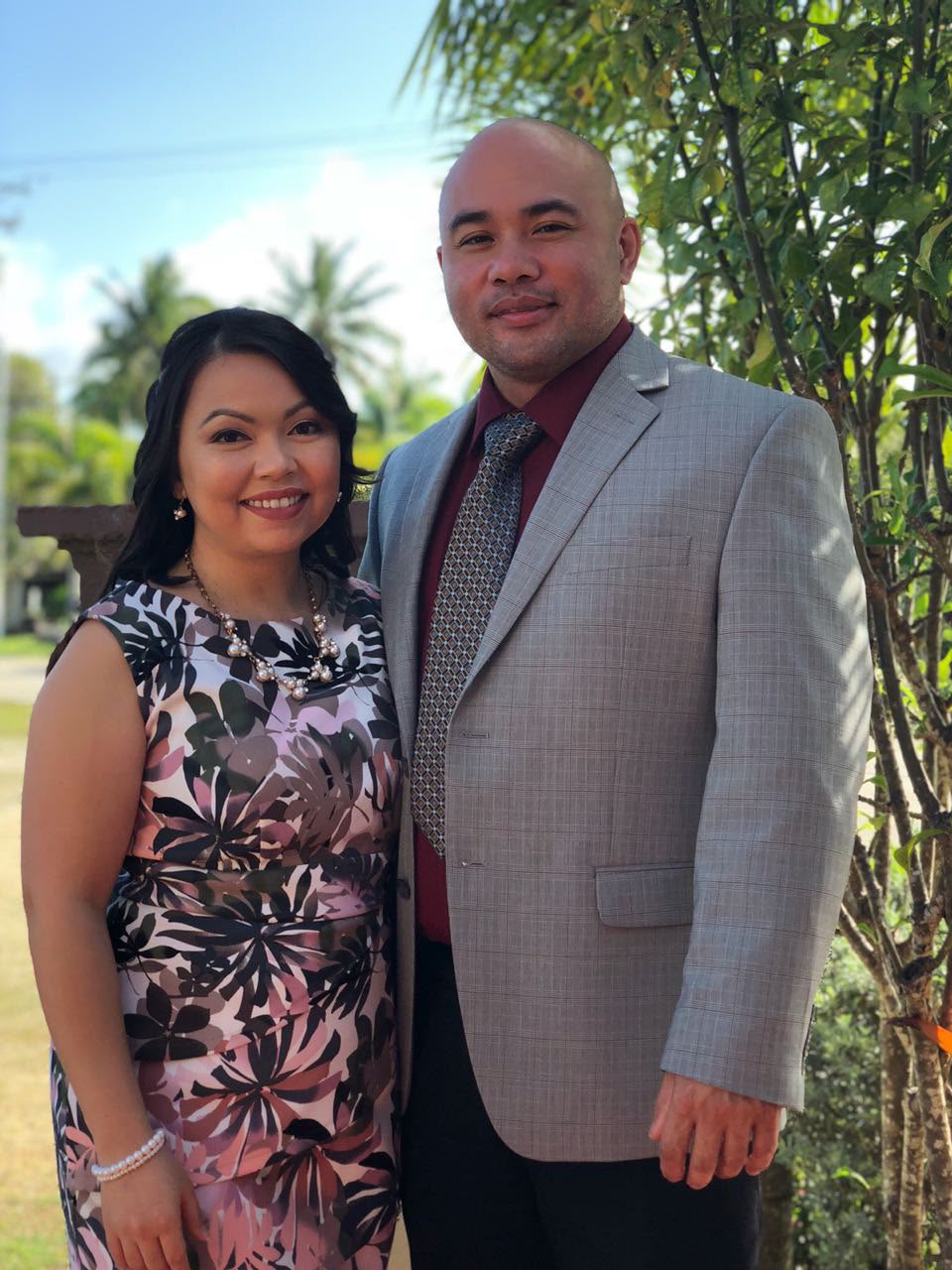
A native of Agat
He grew up here and raised his family here, and holds no family business interests with matters before this office.
Why he is running
He has a five-year-old and a seven-year-old. His son asked him one day why nobody does anything about the junk cars rusting along the road — the "dirty cars," as he called them. Peter did not have a good answer.
It is a small thing standing for a big one: Guam could do much better, and what it takes is not one more prosecution — it is changing how the whole government does business.
Source: The BrightSide with Pauly Suba, Wave 105.1 FM Guam — August 12, 2026 ↗
The campaign
Preventative law in eight parts, each with a commitment and a source.